Know what you actually own.
Point your camera at a card. Mintproof reads the exact printing — set, number, language, Shadowless or not — then shows you what that copy really sells for, with the receipt to prove it.
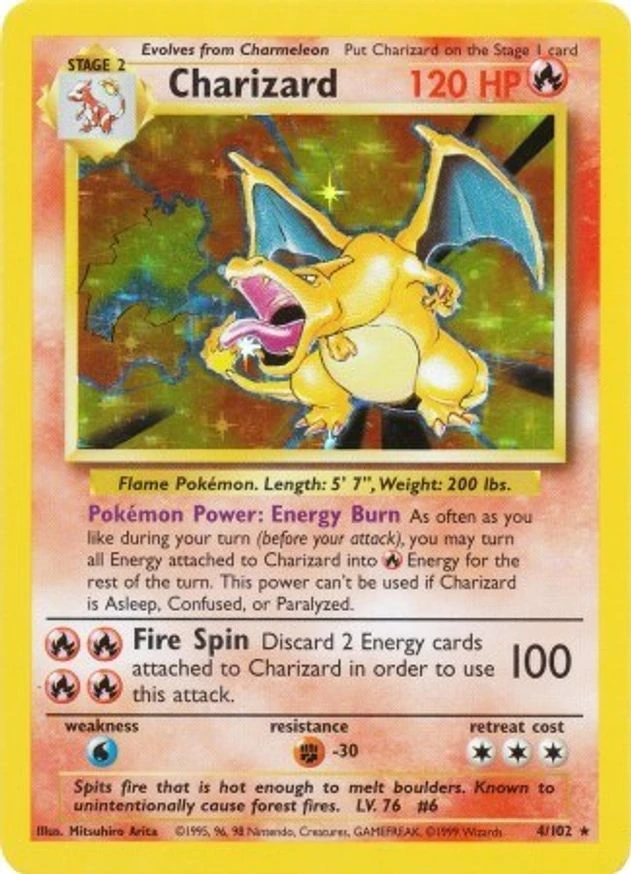
$601
$812
From camera to binder.
- Scan the card
Point your camera at a card. Set, number and language are read off the card itself, not matched by name.
- Confirm the printing
Shadowless or Unlimited? Mintproof shows you the tell, the drop shadow on the art box, and prices each printing separately.
- See the price, with its receipt
Every number is labelled with where it came from and how recent it is. No recent sale means it says so.
- Check if grading pays
Put in what a 10 actually sold for and the gem rate you believe, and Mintproof does the expected-value sum against the fee.
- Into your binder
Your collection totalled as the market moves, split into as many binders as you keep.
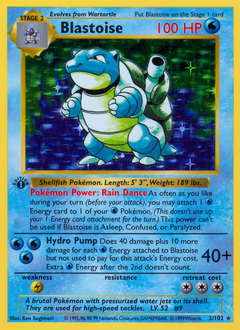
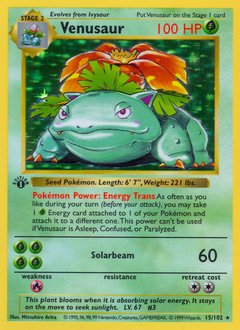
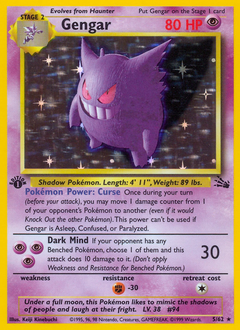
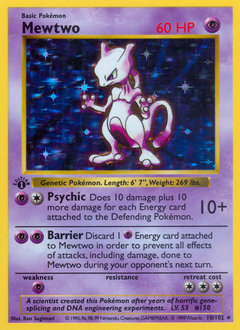
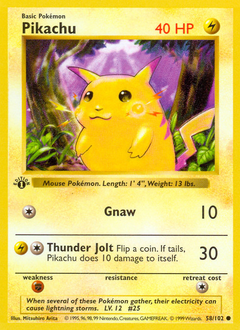
Most card apps guess. A guess costs you money.
Name-match a card and you get a price for a Charizard, not your Charizard. Round a missing sale into a multiplier and you get a number nobody has ever paid. Mintproof was built against three specific ways collectors get burned.
A Shadowless Charizard and an Unlimited one look identical in a photo and differ by about a third in price. Mintproof reads the tell — the drop shadow on the art box — and prices the copy in your hand, not its cousin.
Every figure carries where it came from and how recent it is — eBay sold, TCGplayer, PriceCharting. When there is no recent sale, the app shows a blank and says why. A confident wrong number costs more than an honest empty one.
Submitting a card costs money and a month. Put in what a 10 actually sold for and the gem rate you believe, and Mintproof does the expected-value sum against the fee — before you post it, not after.
Six things, done properly.
Scan to the exact printing
Set, number and language read off the card itself — not a name match that hands you the wrong Pikachu out of a hundred.
Prices with a receipt
Every number is labelled with where it came from and how recent it is. No recent sale means it says so.
Grade the right cards
Your sold prices, your gem rate, the real fee — and a verdict before you post the card.
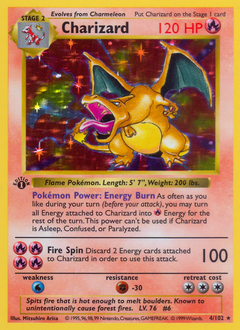
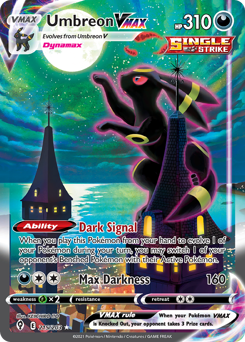
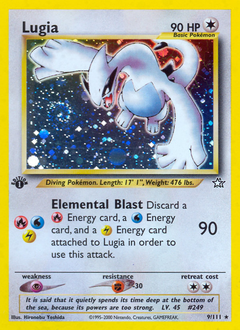
A binder that tracks value
Your collection totalled as the market moves, split into as many binders as you keep. Set checklists show the cheapest gaps to close.
A want list that watches
Name the cards you’re hunting and the price you’d pay. You hear first when one lands.
Charizard · Base Set$601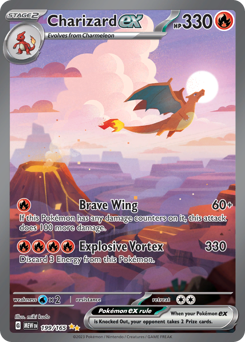 Charizard ex · 151$210
Works before you sign up
Look up any card without an account. You only need one to save a binder to it.
Four screens, real data.
Every price here came from the live API. Swipe or drag through.
Every number says where it came from.
Where a raw price comes from
TCGAPIs. Every card is priced at the exact printing and condition, so a Near Mint Unlimited copy is never quoted from a Shadowless sale.
When there is no recent sale, the app says so. It never falls back to a multiplier and presents the result as observed.
Where a graded price comes from
PriceCharting, joined to the same card by its TCGplayer id — not by name, which is how a search for “Ancient Mew” returns a different product at a different price.
The join is verified before any number is used, so a card with no confirmed match shows nothing rather than someone else’s price.